
7 Mistakes You’re Making with Your Commercial Backup Power (and How to Fix Them)
- Rock Brisebois
- 1h
- 5 min read
In the commercial world, power isn't just a convenience: it is the heartbeat of your operations. Whether you are managing a retail hub in Gatineau, a data center in Ottawa, or a manufacturing facility in the Valley, a power outage is more than an inconvenience; it is a direct threat to your bottom line, your reputation, and your safety protocols.
At BHC Power, we’ve seen it all. We’ve seen businesses invested in high-end hardware only to have it fail at the exact moment the grid goes dark. Why? Because owning a generator is only half the battle. The other half is ensuring that your commercial backup power solutions are sized correctly, maintained rigorously, and monitored around the clock.
If you are relying on a "set it and forget it" strategy, you are likely making one of these seven critical mistakes. Here is how to identify them and, more importantly, how to fix them before the next storm hits.
1. The "Guess-timation" Trap: Undersizing Your Unit
One of the most frequent errors business owners make is choosing a generator based on square footage or a "gut feeling" rather than a technical load assessment. An undersized generator won't just fail to power your building; it can suffer catastrophic engine damage or cause sensitive electronics to fry due to voltage fluctuations.
The Fix: Don't guess. You need a professional load study. This involves calculating the peak demand of your essential systems: HVAC, refrigeration, servers, security, and specialized machinery. At BHC Power, we specialize in commercial backup power solutions that are tailored to your specific operational needs. We look at your peak utility bills and perform on-site measurements to ensure your unit can handle the "start-up" surge required by heavy motors.

2. Treating Maintenance as "Optional"
Would you drive a commercial delivery truck for three years without an oil change? Probably not. Yet, many commercial generators sit idle for months, accumulating dust, moisture, and degraded fuel. When a backup system is neglected, the internal components: seals, hoses, and lubricants: deteriorate.
The Fix: You need a formal, recurring generator maintenance plan. A professional plan ensures that oil, filters, and coolant are changed on schedule and that the mechanical integrity of the unit is tested under load. BHC Power offers comprehensive Shield Generator Protection Plans designed to take the guesswork out of maintenance. A proactive approach transforms your generator from a "hopeful backup" into a "guaranteed solution."
3. Relying on Manual Testing Over 24/7 Monitoring
Many facility managers still rely on the "weekly exercise" method: waiting for the generator to kick on for its 15-minute self-test and checking the green light. But what happens if a fault occurs ten minutes after that test ends? You won't know until the power goes out and the building stays dark.
The Fix: Upgrade to generator monitoring. Modern monitoring solutions provide real-time data to your smartphone and our dispatch center. If your battery voltage drops, if the fuel level is low, or if a cooling sensor fails, we know instantly: often before you do. This allows us to fix the problem on a sunny Tuesday, rather than trying to navigate a blizzard on a Friday night to perform emergency repairs.
4. Ignoring the Ottawa/Gatineau "Climate Reality"
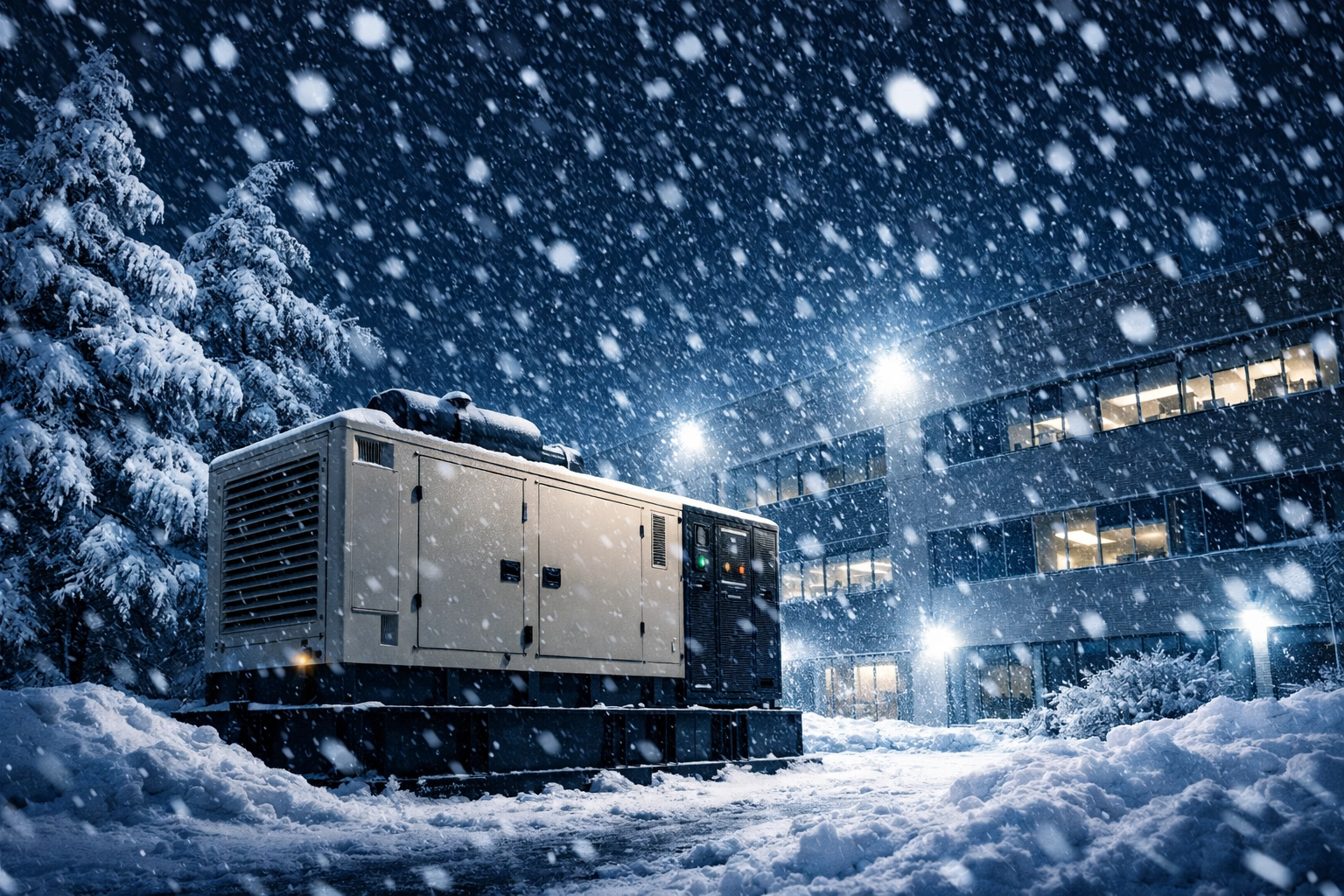
The National Capital Region presents unique challenges. We experience extreme temperature swings: from -30°C winters to humid +35°C summers. In the winter, ice buildup can block intake vents, and extreme cold can cause batteries to lose their cranking power. In the summer, high humidity can lead to condensation in fuel tanks, fostering microbial growth (fuel algae).
The Fix: Your backup system must be "winterized" and "weather-hardened." This includes:
Cold Weather Kits: Battery warmers and oil heaters are non-negotiable in Ottawa.
Enclosure Maintenance: Ensuring the housing is clear of debris and snowdrifts.
Fuel Stabilizers: Using high-quality additives to prevent gelling and contamination.
Ensure your service provider understands the local climate. We live and work here, so we know exactly what a Gatineau ice storm does to an outdoor power unit.
5. The Silent Killer: Battery Neglect
According to industry data, battery failure is the number one reason commercial generators fail to start. Over time, lead sulfates build up on the plates, or connections become loose due to vibration. Because the generator spends most of its life sitting still, these issues often go unnoticed until the starter motor fails to engage during an outage.
The Fix: Batteries should be tested during every maintenance visit and typically replaced every 2 to 3 years, regardless of how they "look." We recommend checking electrolyte levels and ensuring the charger circuit is functioning correctly. If you aren't sure when your battery was last swapped, it’s time to book a quote for a system health check.
6. The DIY or "Generalist" Installation
A commercial generator is a complex piece of industrial machinery. It involves high-voltage electrical work, gas plumbing (for natural gas or propane units), and precise integration with your building’s Automatic Transfer Switch (ATS). Hiring a general contractor or a residential-only sparky to install a 100kW commercial unit often leads to code violations and safety hazards.
The Fix: Work with certified industrial electricians who specialize in generators. A professional installation ensures that the ATS is configured correctly to prioritize your critical loads and that the entire system meets local Ontario or Quebec electrical codes. This isn't just about functionality; it's about insurance compliance and workplace safety.
7. Overloading During an Outage
Even a perfectly sized generator can be brought to its knees by human error. During an outage, staff might inadvertently turn on non-essential equipment: extra heavy machinery, breakroom appliances, or auxiliary heating: that wasn't factored into the emergency load. This can trip the generator’s circuit breaker, leaving the entire facility in the dark.
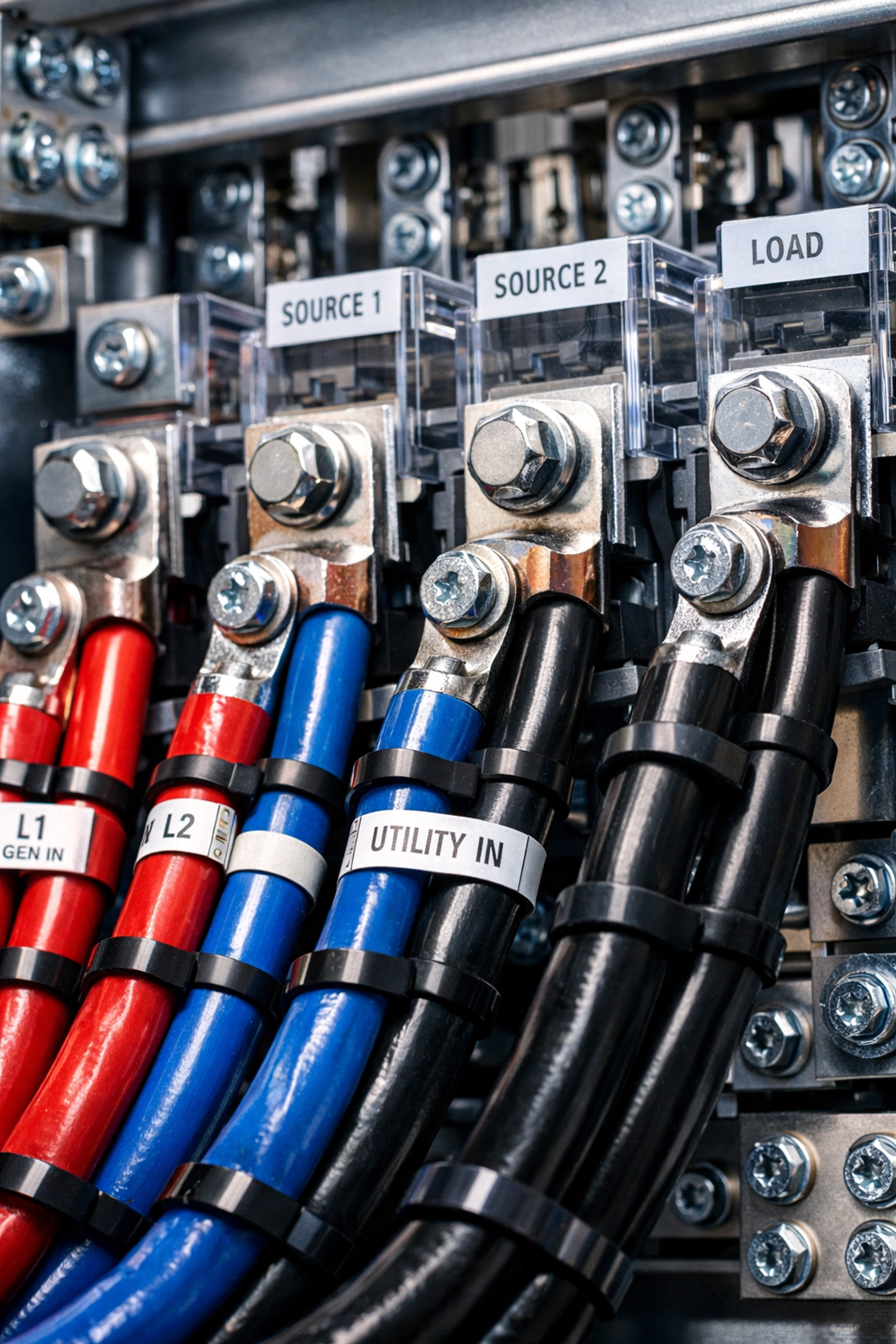
The Fix: Education and labeling are key. Clearly mark which circuits are on the backup system and which are not. More importantly, ensure your system is designed with "load shedding" capabilities. This allows the system to automatically disconnect non-critical items if the total demand approaches the generator's capacity.
Why Choose BHC Power for Your Commercial Needs?
At BHC Power, we don't just sell boxes; we provide peace of mind. We understand that for a business, "down time" is "lost money." Whether you are looking for Kohler or Briggs & Stratton solutions, our team is equipped to design, install, and maintain a system that stands up to the toughest conditions.
What sets us apart?
Local Expertise: We understand the specific utility grids and weather patterns of the Ottawa and Gatineau areas.
Comprehensive Support: From initial pricing plans to long-term monitoring, we handle it all.
24/7 Responsiveness: We are here when you need us most.
Don't Wait for the Next Grid Failure
The best time to fix a generator mistake was yesterday. The second best time is today. Don't leave your business's continuity to chance. A small investment in a generator maintenance plan or a modern generator monitoring system can save you tens of thousands of dollars in lost productivity later.
Ready to secure your facility?
Browse our services:www.bhcpower.com/commercial
Get a professional assessment:Book a Quote Online
Call us directly: Reach out to our team at BHC Power to discuss your custom power requirements.

Your business is too important to be left in the dark. Let the experts at BHC Power ensure that when the lights go out in the city, your doors stay open. For more tips on keeping your systems running, check out our latest blog posts or learn more about our team.
Comments