
Spring Thaw Alert: Is Your Ottawa Backup Generator Ready for the Melt?
- Rock Brisebois
- 2 days ago
- 5 min read
As the calendar turns to mid-March, residents across Ottawa and Gatineau are witnessing a familiar sight: the massive snowbanks of winter are finally beginning to retreat. While the arrival of spring is always a cause for celebration in the National Capital Region, it also marks the beginning of a high-risk season for homeowners. The transition from deep freeze to "the big melt" brings a unique set of challenges that can threaten the integrity of your home’s electrical system and its foundation.
At BHC Power, we’ve seen firsthand how the combination of rapid snowmelt and heavy spring rains can overwhelm local infrastructure. This is the time of year when your backup power system transitions from being a "luxury" to a critical line of defense.
Is your backup generator ready to perform when the ground becomes saturated and the Ottawa River begins to rise? In this guide, we’ll explore why the spring thaw is a critical period for generator readiness and provide a comprehensive maintenance checklist to ensure your home remains safe, dry, and powered up.
The Dual Threat: Why Spring Outages are Different
In the winter, power outages are usually caused by ice storms or heavy snow loading on lines. In the spring, the threats are more complex.
1. Ground Saturation and Sump Pump Failure
As the frost leaves the ground, the soil becomes incredibly saturated. In areas like Kanata, Orleans, and the Gatineau hills, this water has to go somewhere. Most modern homes rely on sump pumps to keep their basements dry. However, spring is also prime time for heavy thunderstorms and high winds that can knock out the grid.
If the power goes out during a heavy melt, your sump pump stops working. Without a reliable standby generator in Gatineau or Ottawa, a basement can flood in a matter of hours, leading to tens of thousands of dollars in restoration costs.
2. Spring Storms and Unpredictable Grids
The transition between cold and warm air masses often triggers volatile weather. High winds can easily bring down branches that have been weakened by a long, heavy winter. When the grid fluctuates, your home needs a seamless transition to backup power to protect sensitive electronics and HVAC systems.

The Spring Maintenance Checklist for Homeowners
A standby generator is an engine, much like the one in your car. After sitting in sub-zero temperatures for months, it requires specific attention to ensure it starts instantly when the sensors detect a voltage drop.
Here is the essential Spring Maintenance Checklist every Ottawa homeowner should follow:
1. Clear the Perimeter
During the winter, snow and ice can build up around your generator unit. As it melts, it can leave behind debris, dead leaves, and silt.
Action: Ensure there is at least three feet of clear space around the entire unit.
Why: Your generator needs proper airflow to cool the engine. Debris trapped against the intake or exhaust can cause the unit to overheat or even create a fire hazard.
2. Inspect for "Winter Guests"
Local wildlife: mice, squirrels, and even birds: often look for warm places to nest during the cold months. The interior of a generator housing is a prime target.
Action: Safely open the cabinet (ensure the unit is "Off") and look for nesting materials, chewed wires, or droppings.
Why: Chewed wiring is one of the leading causes of emergency generator repair calls in the spring.
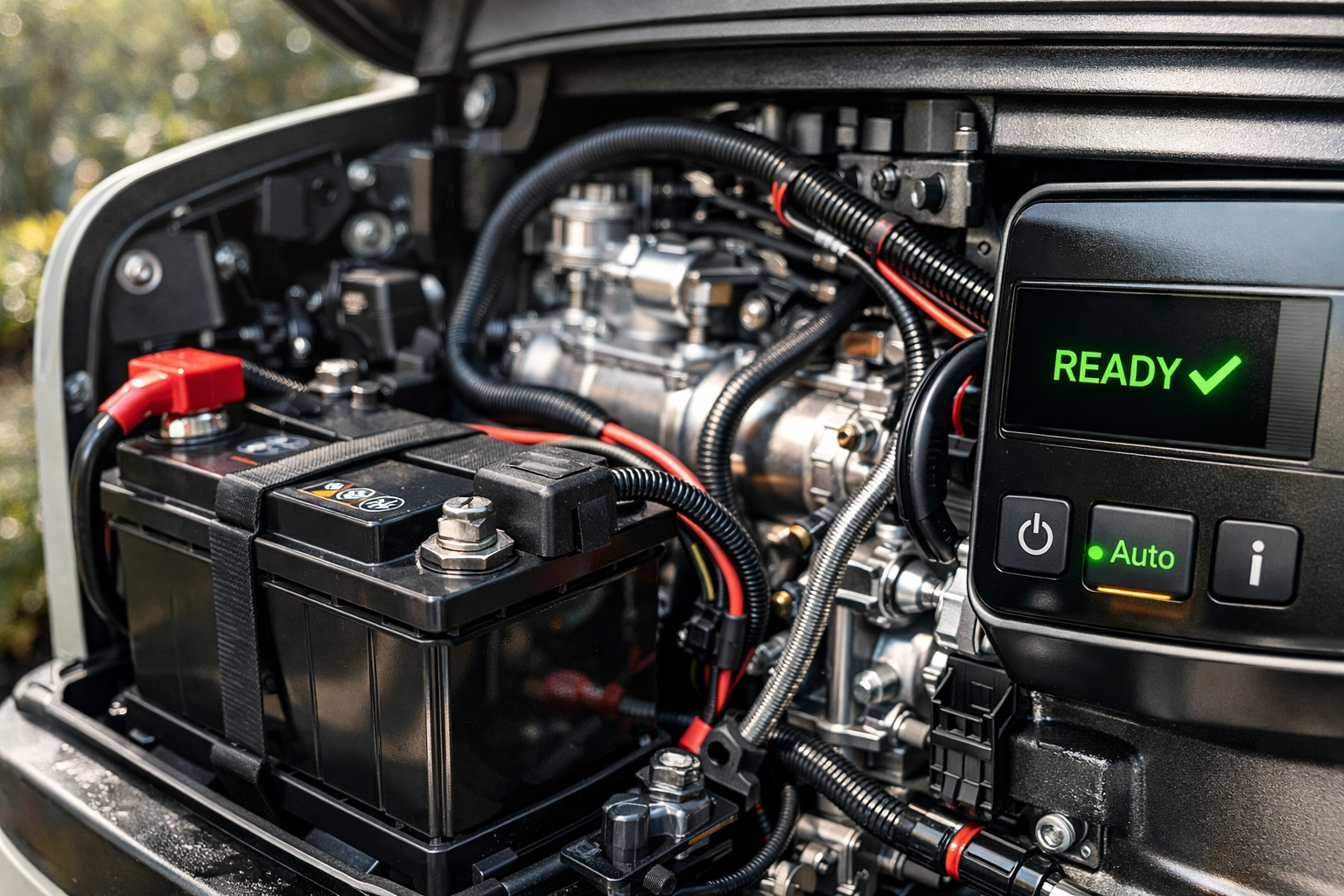
3. Check the Battery Health
Batteries are the most common point of failure for standby generators. Cold weather is notoriously hard on battery chemistry.
Action: Check the battery terminals for corrosion (a white, ashy substance). If your generator is more than three years old, the battery may need a load test.
Why: A "weak" battery might have enough juice to run the electronics, but not enough "cranking amps" to turn the engine over when it's needed most.
4. Verify Fuel Levels and Quality
If you run on liquid propane (LP), check your tank levels. If you run on natural gas, ensure the shut-off valves are clear of debris.
Action: For diesel or gasoline portables (though we recommend permanent generator installation in Ottawa), ensure the fuel hasn't degraded or collected moisture from temperature fluctuations.
Why: Condensation in fuel lines during the thaw can cause engine sputtering or failure to start.
5. Run a Manual Test Cycle
Most Generac and Kohler units are programmed to run a short "exercise" cycle weekly. However, a manual test under load is different.
Action: Simulate a power outage by switching the main breaker (if you are comfortable doing so) or using the control panel to run the unit under a simulated load.
Why: You want to ensure the transfer switch engages properly and that the generator can handle the household's electrical demand.
Why Professional Inspection is Non-Negotiable
While the DIY checklist above is a great start, there are technical aspects of generator health that require a professional touch. At BHC Power, our technicians are factory-trained in leading brands like Generac and Kohler.
A professional generator maintenance plan covers the "invisible" threats:
Oil and Filter Changes: Just like a car, your generator needs fresh oil after the heavy lifting of winter.
Valve Adjustments: Crucial for engine longevity and efficiency.
Firmware Updates: Modern Generac and Kohler units receive software updates that improve fuel efficiency and sensing capabilities.
Transfer Switch Testing: Ensuring the mechanical components of your transfer switch haven't become "sticky" due to temperature changes.
Peace of Mind with 24/7 Monitoring
What if you aren't home when the thaw triggers a flood? One of the most significant advancements in home protection is remote monitoring.
BHC Power offers monitoring solutions that alert both you and our service team the moment your generator detects an issue. Whether it’s a low battery warning or a failed exercise cycle, we often know there’s a problem before you do. In the middle of a spring storm, this proactive approach is what stands between a dry basement and a disaster.

Investing in Your Property’s Future
Many homeowners ask us: "Is it worth the investment?"
When you consider the cost of generator installation in Ottawa, it is helpful to view it as an insurance policy that pays out immediately. Beyond the immediate protection against flooding, a professionally installed standby system adds significant resale value to your home. In a market like Ottawa/Gatineau, where extreme weather is becoming the "new normal," buyers are looking for homes that offer 24/7 security and resilience.
Don’t Wait for the Rain to Start
The "Spring Thaw" isn't just a date on the calendar; it's a window of opportunity. Once the heavy spring rains begin, our emergency repair schedules fill up quickly. By taking action now, you ensure that your family remains comfortable and your property remains protected.
Whether you need a brand-new installation or a comprehensive tune-up for your existing unit, BHC Power is here to help. We pride ourselves on providing the National Capital Region with professional, reliable, and transparent electrical services.
Ready to secure your home for the spring?
Book a Maintenance Visit: Ensure your unit is in peak condition. Book Online Here.
Request a Quote: Thinking about a new installation? Get a free quote today.
Learn About Protection: Discover our Shield Generator Protection Plans for year-round peace of mind.
Contact BHC Power today at https://www.bhcpower.com/contact-1 and let’s make sure you’re ready for the melt.
Comments