
Whole House Generator Cost 101: A Beginner’s Guide to Mastering Your Backup Power Budget
Let’s set the scene: It’s mid-January in Ottawa. A freezing rain storm has just turned your driveway into a skating rink and snapped the power lines two blocks over. The neighborhood goes pitch black. Your neighbor, Dave, is currently fumbling for a flashlight that hasn't had working batteries since 2012.
Meanwhile, at your place? The lights flicker for exactly ten seconds before your standby generator roars to life. The furnace kicks back on, the WiFi stays up, and you go back to watching your favorite show with a hot coffee in hand. You aren't just a homeowner; you’re the King of the Block.
But how much does it cost to wear that crown?
If you’ve started Googling "whole house generator cost," you’ve likely seen everything from "too good to be true" prices at big-box stores to astronomical quotes that make you want to just buy a lot of candles. At BHC Power, we believe in straight talk. This is your Masterclass 101 on budgeting for a backup power system in the Ottawa and Gatineau area.
The "Sticker Price" vs. The "Installed Price"
The biggest mistake beginners make is looking at the price tag on the side of the box at a retail store and thinking, "Okay, I can swing $6,000."
Hold your horses.
The unit itself is just one piece of the puzzle. Buying a generator without factoring in installation is like buying a car engine and expecting it to get you to work tomorrow. You still need the wheels, the transmission, and a mechanic who knows where the bolts go.
In reality, a total whole-house generator investment typically ranges from $7,000 to $25,000+. That’s a big window, right? Let’s break down why.
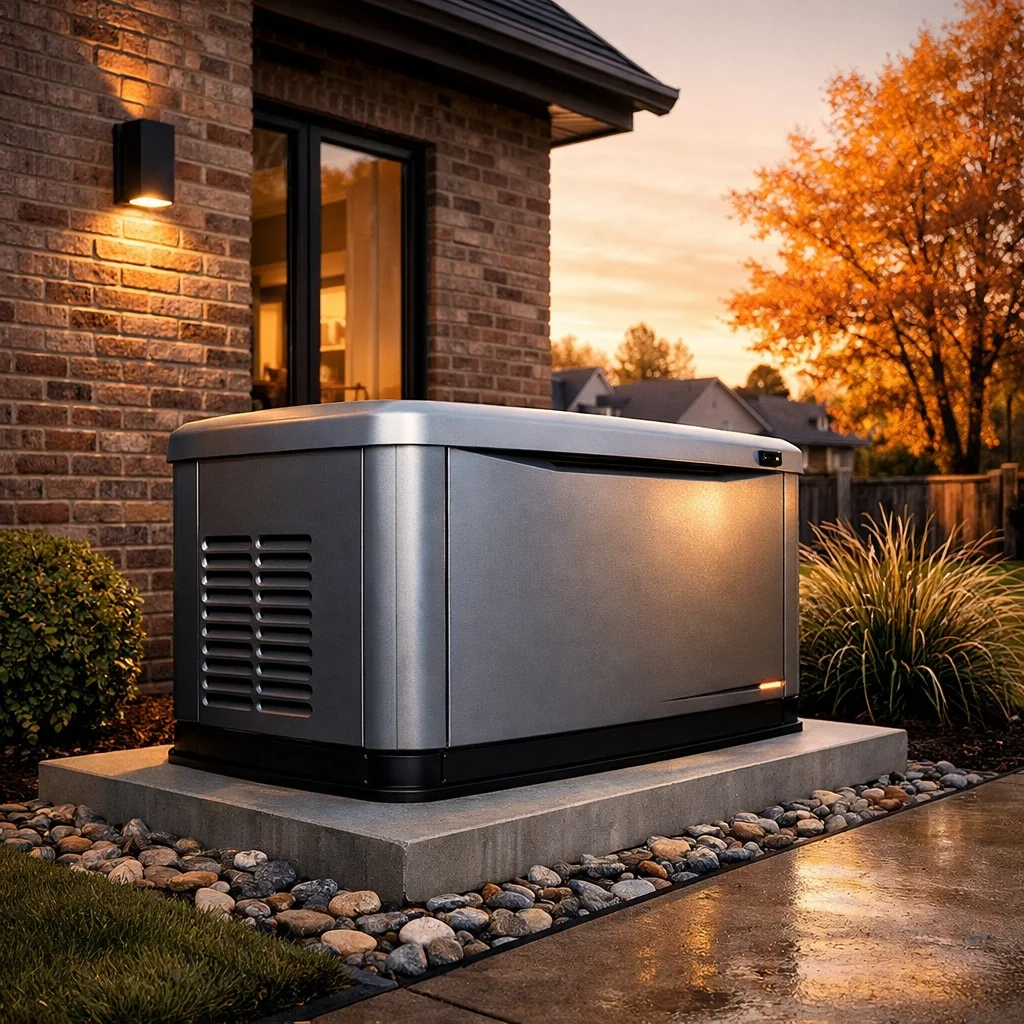
1. The Hardware: Choosing Your Steed
Your choice of brand and size (measured in kilowatts or kW) is the first major budget driver. At BHC Power, we focus on the "Big Three" that actually survive our brutal Canadian winters:
Generac: The undisputed heavyweight champion of the industry. They offer a massive range of sizes and have the best tech integration (like their Mobile Link monitoring).
Briggs & Stratton: These guys have been building engines since your grandpa was in diapers. They are known for high-quality alternators and heavy-duty builds.
Champion: A fantastic option for those who want reliable power without the premium "brand name" markup. They offer great value for essential-circuit coverage.
Note: We don’t deal with the other guys (and we definitely don't mention the 'K' brand). We stick to what works for Ottawa homes.
2. The Installation: Where the Magic (and the Cost) Happens
This is where most homeowners get surprised. Professional installation involves two major trades: Electrical and Gas.
The Electrical Side
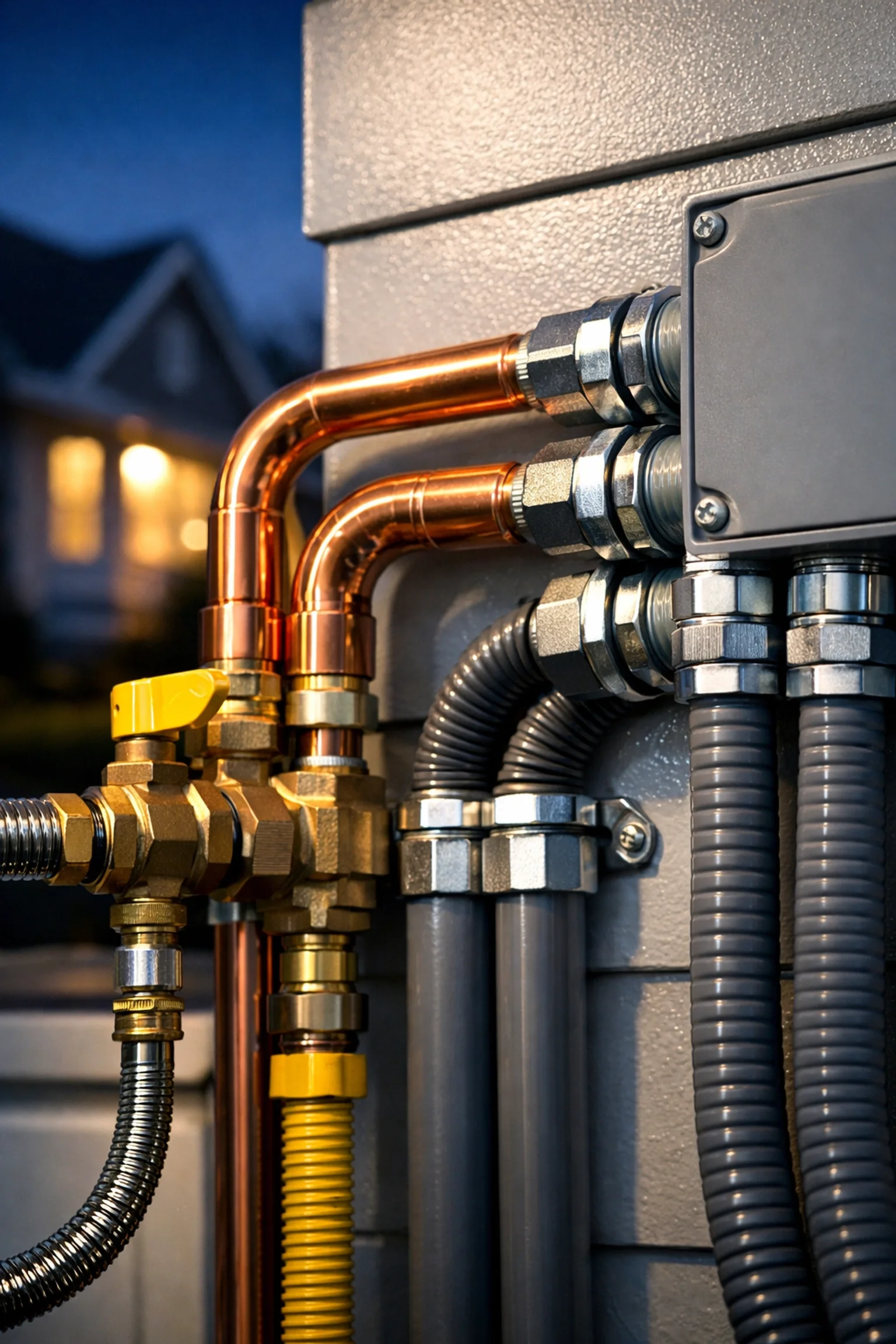
You aren't just plugging this into a wall outlet. You need an Automatic Transfer Switch (ATS). This is the brain of the system. When the utility power fails, the ATS tells the generator to start and then "transfers" your home’s load to the generator.
Standard Install: If your electrical panel is modern and located near where the generator will sit, you're looking at lower costs.
The "Surprise" Costs: If your home is older and requires a panel upgrade or if the generator needs to be placed on the opposite side of the house from your meter, labor and material costs (copper isn't getting any cheaper!) will climb.
The Gas Side
Generators run on either Natural Gas or Liquid Propane. You need a licensed gas fitter to run a line from your meter (or tank) to the unit.
Natural Gas: Most Ottawa homes have this. It’s "endless" fuel, but if your existing gas meter is too small to handle the generator plus your furnace and water heater, Enbridge might need to perform a meter upgrade.
Propane: If you’re out in rural Gatineau or the Ottawa Valley and don't have natural gas, you’ll need propane tanks. This adds the cost of tank rental or purchase and the fuel itself.
Sizing: Essential Coverage vs. "Everything On"
How much house do you want to power? This is the "Goldilocks" moment of budgeting.
The "Essential" Budget (8kW - 14kW): You want the fridge, the furnace, the sump pump, and some lights. You might have to skip the hot tub and the double-oven during an outage. Estimated Cost: $7,000 - $11,000.
The "Comfort" Budget (18kW - 22kW): This covers the essentials plus your central A/C and most of your kitchen appliances. This is the "Sweet Spot" for most 2,500 sq. ft. homes in the suburbs. Estimated Cost: $12,000 - $16,000.
The "King of the Block" Budget (24kW - 60kW+): You want to forget the power is even out. Tesla chargers, heated pools, guest houses: everything stays on. Estimated Cost: $18,000 - $25,000+.
The Ongoing Costs: Fuel and Maintenance
Mastering your budget means looking past the installation day.
Fuel Expenses
Running a generator isn't free. If we hit a massive ice storm and your 22kW Generac runs for a week straight, your natural gas bill will reflect that. According to research, running on natural gas can cost roughly $3.95 per hour. A week-long outage could cost you around $600 in fuel. It sounds like a lot until you compare it to the cost of a flooded basement from a dead sump pump or throwing out $2,000 worth of spoiled food from your deep freezer.
Why It’s Actually an "Investment" (The ROI)
I know what you're thinking: "Rock, this sounds like a lot of money."
It is. But let’s look at the return on investment.
Property Value: A whole-home standby generator is a massive selling feature in the Ottawa-Gatineau market. Buyers are increasingly looking for "storm-ready" homes. You can often recoup a significant portion of the cost in your home's resale value.
Avoidance of Disaster: One flooded basement in Westboro or a burst pipe in the Highlands can easily cost $30,000 to $50,000 in damages. Suddenly, a $12,000 generator looks like an absolute bargain.
Peace of Mind: You can’t put a price on knowing your family is safe, warm, and fed when the rest of the city is in a state of emergency.
Pro-Tip: Don't Wait for the Storm
The worst time to buy a generator is when the sky is turning grey. Demand spikes, lead times for units grow, and installers get booked out for months. If you want to master your budget, plan your installation during the "off-season."
Whether you’re in Orleans, Kanata, or across the river in Gatineau, the grid isn't getting any younger. Between damaging wind gusts and the annual "spring thaw" risks, having a plan is just good business.
Ready to get a real number for your home?
Don't guess. Let the experts at BHC Power give you a clear, professional breakdown tailored to your specific electrical panel and gas setup. We’ve helped hundreds of your neighbors become the "King of the Block," and we’re ready to do the same for you.
Contact BHC Power today:
Visit us: www.bhcpower.com
Call the Experts: Reach out for a consultation and let's get your backup power budget sorted before the next Ottawa "I told you so" moment hits.
Don't be like Dave. Be ready.
